
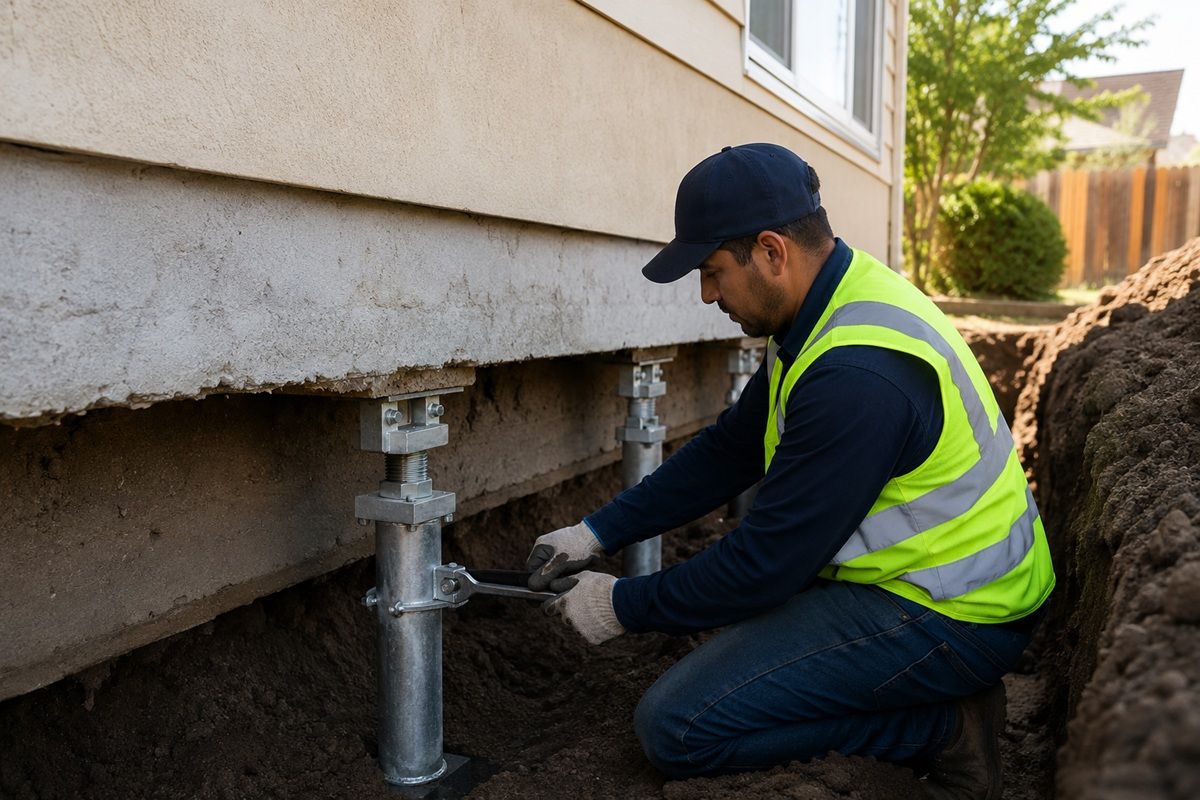
Long-Term Foundation Solutions
Professional Foundation Underpinning in Tulare
When expansive clay soils shift beneath a property, foundation underpinning remains one of the most effective solutions for restoring stability and preventing additional settlement. This underpinning method helps strengthen and stabilize an existing foundation by extending the foundation deeper into more stable soil layers, allowing buildings to maintain proper alignment and load distribution. Throughout Tulare, changing moisture levels, seasonal rainfall, erosion, and extended dry periods can contribute to ground movement that places ongoing stress on a building’s foundation, making professional foundation repair an important long-term investment.
Local contractors perform detailed inspections using industry-standard evaluation methods and a thorough assessment of the site to identify the source of movement before recommending repair options. Depending on the type of soil and site conditions present, service providers may install steel piers, concrete piles, or other suitable underpinning systems designed to distribute structural loads more effectively and provide lasting stabilization. When homeowners notice foundation cracks, sticking doors or windows, uneven floors, or other warning signs, early action can help reduce the risk of foundation failure and more extensive structural damage, as delaying underpinning can lead to more complex structural repairs.
Protect Your Foundation Early
Signs Your Property May Need Underpinning
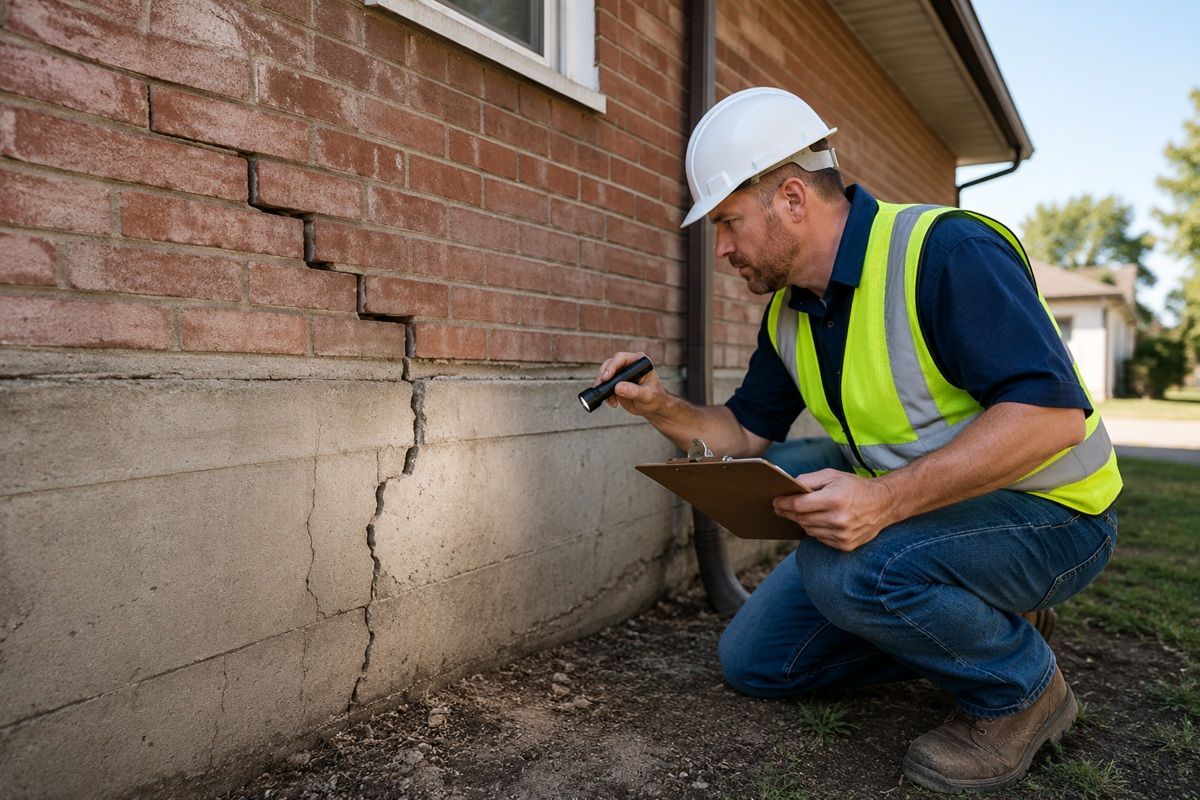
How do you know when your property needs professional attention? Certain warning signs point to underlying instability that a thorough assessment performed by experienced underpinning specialists can confirm. Stair-step cracks in brick or block walls often reveal structural movement, while widening wall or floor cracks may signal damage requiring professional repairs. Doors and windows that become difficult to open or close frequently indicate settlement caused by changing soil conditions. Uneven or sloping floors can also suggest movement that may require underpinning a foundation to restore stability and protect the building’s foundation.
Bowing basement walls and visible separation around doors, windows, or trim deserve prompt evaluation, especially in areas affected by expansive clay soils. Poor initial construction, changing moisture conditions, additional structural loads from renovations, adding extra floors, or long-term subsidence can all contribute to foundation issues. When these conditions appear, trained professionals can determine whether underpinning is needed and whether foundation underpinning techniques are necessary to transfer loads into stronger soil layers beneath the foundation and protect long-term performance. In some cases, the original foundation may no longer provide adequate support and corrective action may be recommended.
Proven Repair Process
Foundation Repair Process
1
Structural Evaluation and Site Assessment
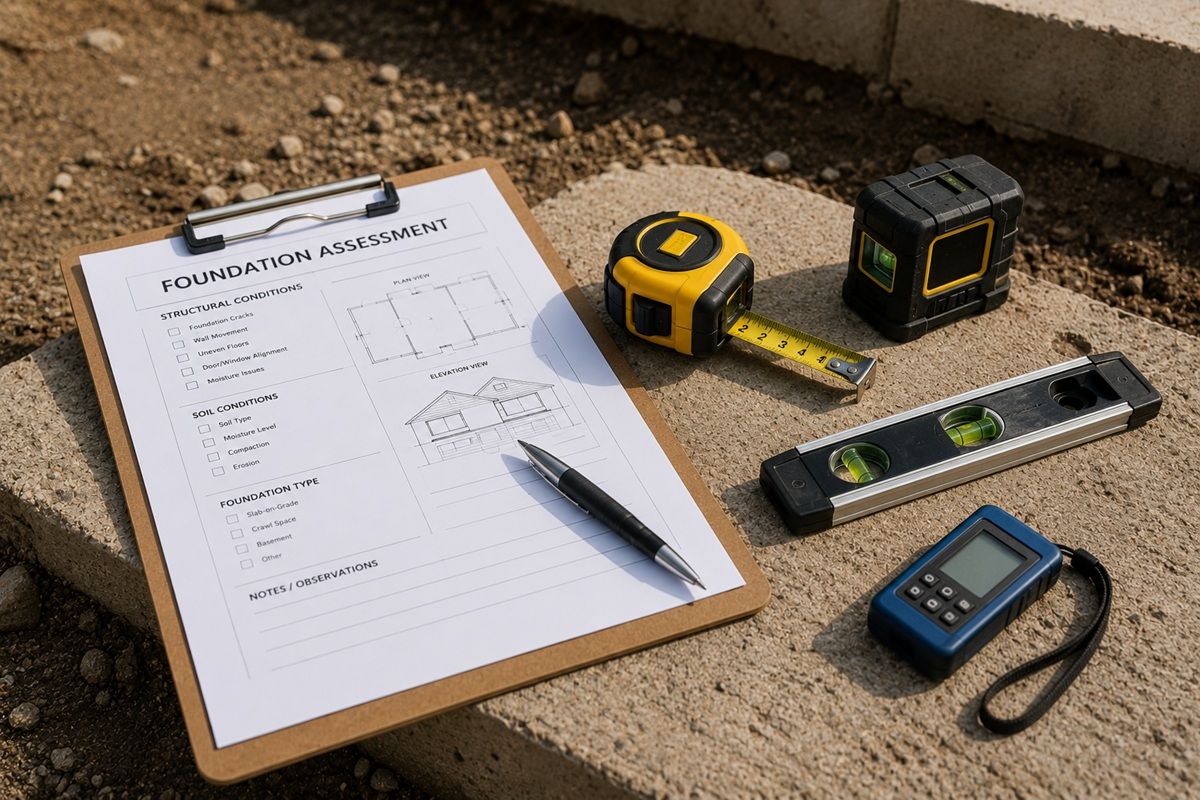
Every successful underpinning project starts with a comprehensive evaluation of the structure and the soil beneath it. Experienced specialists begin with a detailed inspection, elevation measurements, and soil condition assessment to identify the source of movement and determine the most appropriate underpinning strategy. Once the underlying cause has been identified, a customized plan is developed based on the property's structural requirements, existing foundation design, soil types, and site-specific conditions.
2
Selecting the Appropriate Underpinning Solution
For deeper, more stable soil layers, helical pier installation may be recommended because it performs well in a wide range of ground conditions and provides reliable support for many residential structures. When heavier buildings require additional reinforcement, push pier systems can be installed to reach competent load-bearing strata and help redistribute the weight of the structure more effectively. Depending on project requirements, various underpinning solutions may be considered, including pier underpinning, concrete underpinning, mini-piled underpinning, beam and base underpinning, and other foundation underpinning methods selected for the property's specific conditions.
3
Professional Installation and Stabilization Work
Throughout the process, local foundation specialists follow industry-standard installation procedures, safety-focused practices, and professional service standards designed to achieve lasting stabilization for homes throughout Tulare. Careful excavation, precision installation, and post-installation verification help confirm that support systems are strong enough to support structural loads safely and effectively.
4
Final Reinforcement and Load Transfer Support
In some situations, the concrete underpinning process may involve foundation and pouring operations, grout applications, mass concrete bases, or work completed beneath the existing footing to improve load transfer and overall structural performance. Certain projects may also require constructing a reinforced concrete beam or installing sections beneath the existing footing as part of the appropriate underpinning strategy for the structure. This critical process helps confirm the structure is properly supported before repairs are completed.
Accurate Project Costs
Factors That Influence Underpinning Costs
Once the appropriate repair strategy has been identified, the next question most property owners ask is what the project may cost. Foundation underpinning cost varies based on structural conditions, repair requirements, and site-specific factors. The type of structure, whether slab-on-grade, crawl space, basement construction, or another design, can significantly influence overall costs. The severity of settlement, structural damage, and movement concerns also affects the complexity of repairs, the type of underpinning selected, and whether additional reinforcement is needed to stabilize the structure. Local soil conditions remain another important factor. Expansive clay soils commonly found throughout Tulare can create challenging conditions that require additional stabilization measures. Accessibility, excavation requirements, utility locations, and structural obstacles can also impact project scope.
Experienced underpinning specialists evaluate each property individually to determine the most suitable underpinning solution rather than relying on generalized pricing assumptions. Choosing the right underpinning depends on the condition of the structure, soil characteristics, and long-term performance goals. The extent of movement beneath existing support areas, the need for extending the foundation into deeper load-bearing layers, and the quantity of underpinning materials required can also influence project requirements. Whether the work involves concrete slab underpinning, pier underpinning, mass concrete underpinning, or another underpinning technique, selecting the appropriate underpinning solution helps support long-term structural integrity while improving the stability and longevity of the building. In some cases, mass concrete, reinforced support systems, or other specialized repair methods may be recommended based on site conditions.
Why Choose Foundation Underpinning Professionals
When investing in foundation repair and structural stabilization, choosing qualified professionals matters. Tulare Foundation Repair Contractors works with trained foundation specialists who follow industry-standard repair methods, advanced diagnostic techniques, and professional service standards to address structural movement effectively.
Using proven foundation underpinning methods, professional-grade equipment, and safety-focused installation procedures, local professionals help reinforce structural support while protecting the long-term integrity of residential and commercial properties. Proper underpinning can be performed using several approaches depending on site conditions, structural design, and project requirements. All work is completed with attention to applicable building requirements, accepted repair practices, and recommendations that may involve consultation with a structural engineer when appropriate.
From the initial inspection through project completion, property owners receive clear communication, detailed assessments, and repair recommendations tailored to the unique conditions affecting their structures. The importance of professional underpinning becomes especially clear when settlement, subsidence, erosion, or long-term soil movement has reduced the ability of a structure to remain properly supported. A thorough assessment helps determine whether underpinning is required and identifies the most suitable approach for restoring stability, with the goal of helping the structure be restored to its original level of support whenever conditions allow.
latest projects
Recent Foundation Underpinning Projects in Tulare
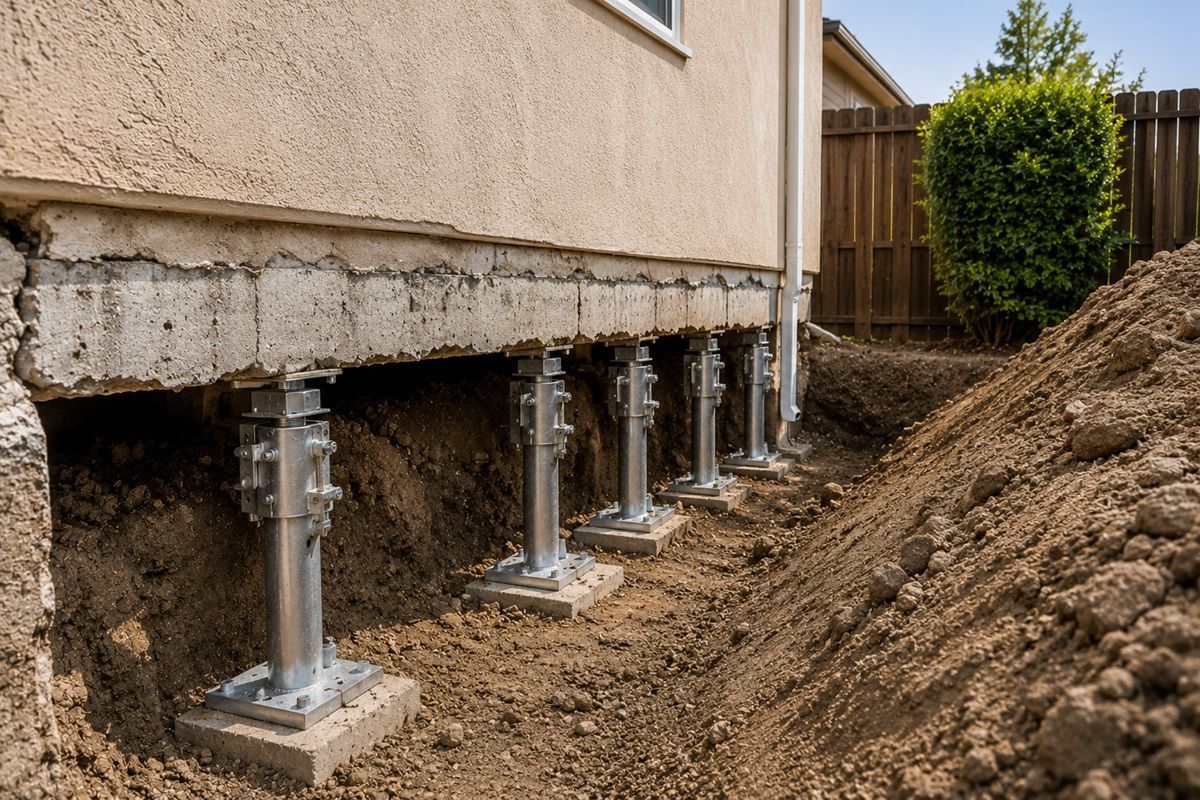
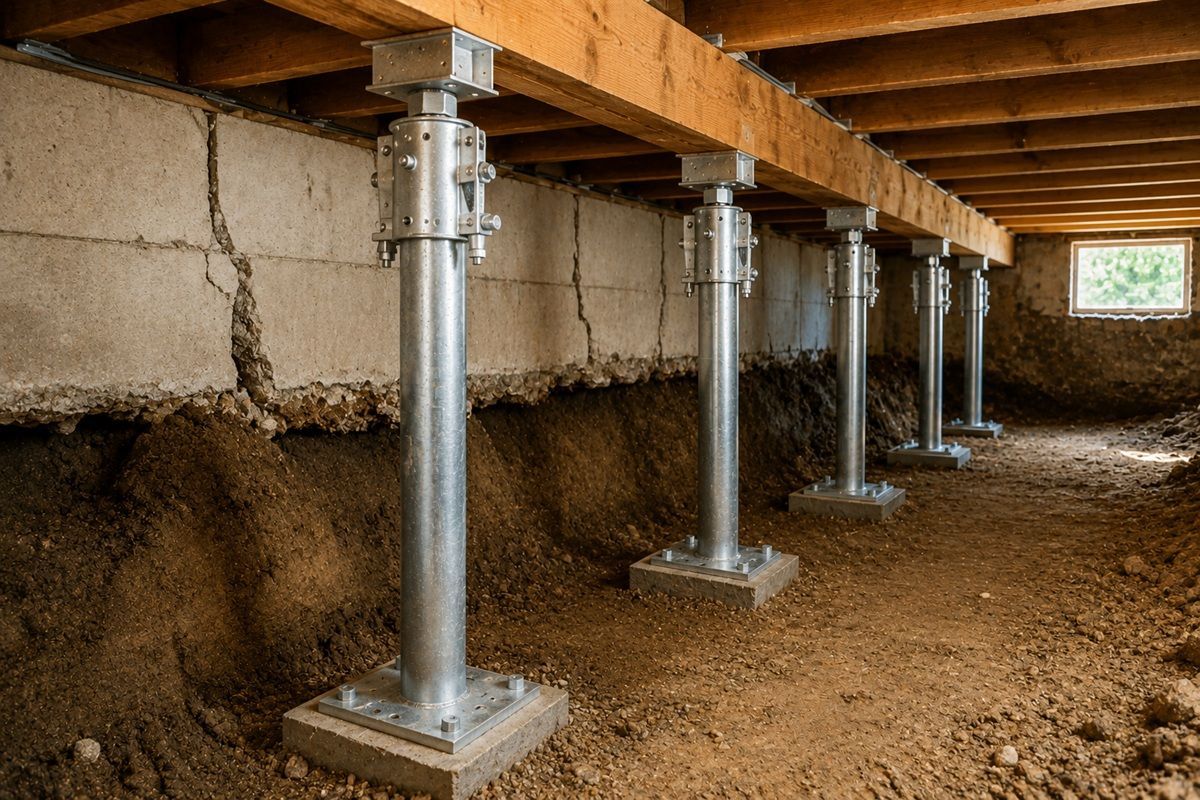
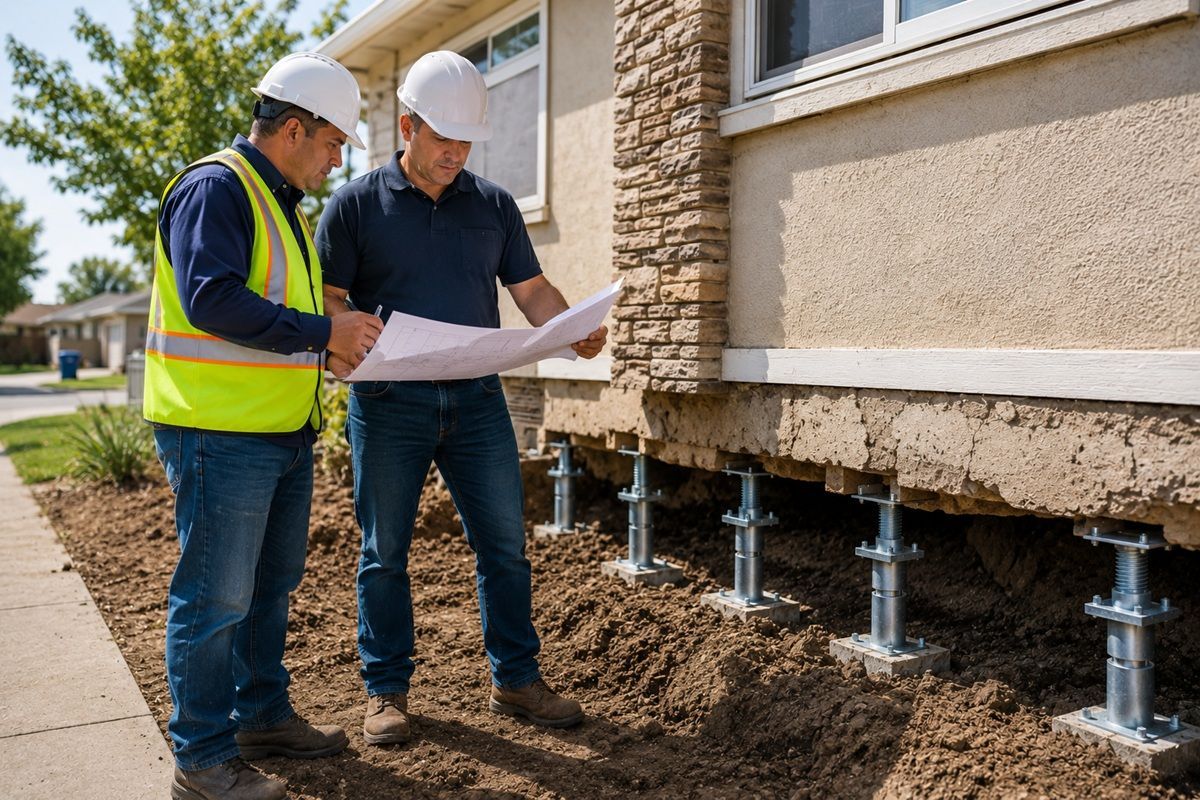
Recent projects throughout Tulare show how foundation underpinning can address settlement caused by expansive clay soils and changing moisture conditions. After a detailed assessment of the site, local professionals evaluate the existing foundation, soil types, and structural movement before recommending a suitable underpinning solution. Depending on conditions, repairs may involve pier underpinning, concrete underpinning, mini-piled underpinning, or other foundation underpinning methods designed to transfer the building’s load into more stable ground beneath the foundation. Many projects focus on correcting foundation cracks, uneven floors, and sticking doors and windows while helping strengthen and stabilize existing support systems. By choosing the appropriate underpinning approach, properties can improve structural performance, support the weight of the structure more effectively, and help reduce the risk of future foundation problems.
Common Foundation Underpinning Questions from Tulare Homeowners
What is foundation underpinning used for?
Foundation underpinning is used to strengthen and stabilize a structure when settlement, shifting soil, or load-bearing concerns affect the building’s foundation. This underpinning method helps extend support into deeper, more stable ground beneath the foundation and can be used when an existing foundation shows signs of movement or structural distress. Homes throughout Tulare may experience foundation problems related to expansive clay soils and changing moisture conditions, making foundation underpinning one of the most common solutions for improving long-term stability and reducing the risk of foundation failure.
How do I know if my home needs underpinning?
Common warning signs include foundation cracks, uneven floors, sticking doors and windows, wall separation, and visible settlement around the structure. These issues may indicate movement beneath the foundation or suggest the original foundation may no longer be receiving adequate support. A professional inspection and assessment of the site can help determine whether underpinning is needed, whether another type of foundation repair is appropriate, or if additional stabilization measures should be considered.
What affects the cost of foundation underpinning?
Foundation underpinning cost varies based on several factors, including the severity of settlement, structural design, accessibility, soil conditions, and the type of underpinning selected. Repair requirements such as pier underpinning, concrete slab underpinning, mass concrete underpinning, excavation work, and the amount of underpinning materials required can all influence project scope. Because every property is different, choosing the right underpinning solution starts with a detailed evaluation of site conditions and structural requirements.
How long does foundation underpinning take?
Project timelines vary depending on the size of the structure, repair complexity, soil conditions, and the underpinning technique being used. Many residential projects can be completed within several days, while larger stabilization efforts may require additional time. The underpinning process involves inspection, excavation, installation, and verification procedures designed to confirm support systems are strong enough to support the weight of the structure while ensuring the stability of the repaired area.
Can Tulare soil conditions contribute to foundation settlement?
Yes. Many properties in Tulare are built on clay-rich soil types that expand when wet and shrink during dry periods. Over time, these moisture changes can create movement beneath the foundation, leading to foundation cracks, settlement, and other foundation issues. Professional evaluations help identify the type of soil present and determine whether foundation underpinning methods or other corrective measures are recommended to improve long-term performance.
Can underpinning help reduce future foundation movement?
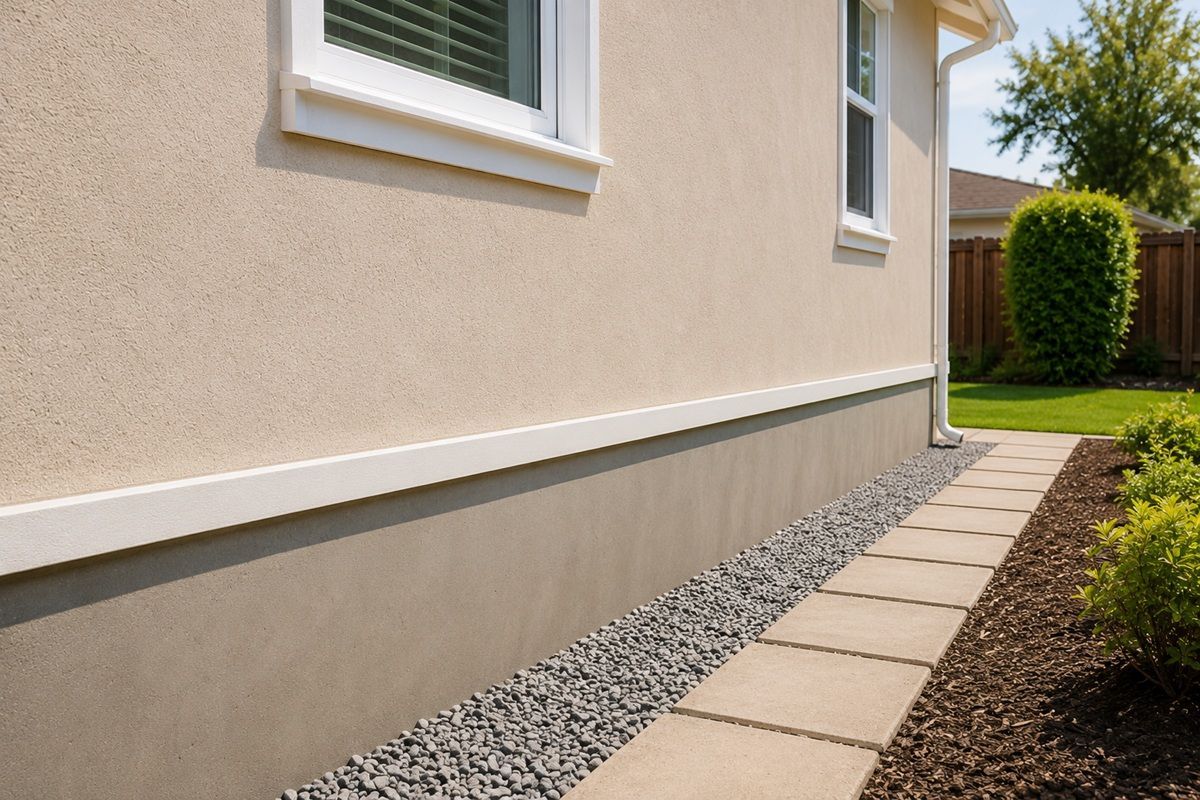
Proper underpinning is designed to improve structural support by transferring loads into deeper, more stable soil layers. While no repair method can eliminate every environmental factor, foundation underpinning techniques can significantly reduce future movement when combined with effective drainage management and routine maintenance. The importance of professional underpinning becomes especially clear when a foundation may be affected by settlement, erosion, subsidence, or conditions that cause portions of a structure to become weak or unstable over time.
Tulare Foundation Repair Contractors
Schedule a Foundation Underpinning Assessment
Why wait until settlement and structural damage become more extensive and expensive to repair? Foundation underpinning services throughout Tulare begin with a detailed inspection of structural components, footing conditions, and surrounding soil conditions to identify movement, structural instability, and the most effective repair strategy. Depending on site conditions, local professionals may recommend pier underpinning, concrete underpinning, mini-piled underpinning, or other foundation underpinning methods designed to strengthen and stabilize existing support systems, transfer the building’s load into more stable ground beneath the foundation, and improve long-term structural performance. If you've noticed foundation cracks, uneven floors, sticking doors or windows, or other signs that the original foundation may be shifting, scheduling a professional evaluation can help identify the underlying cause, determine whether underpinning is needed, and decide if additional measures are required to underpin foundation sections before foundation issues become more serious.